
Can Bioplastics Really Replace Conventional Plastics? Myths vs Facts

Plastic has become an unavoidable part of modern life. From food packaging and medical equipment to agriculture and electronics, conventional plastics offer durability, flexibility, and affordability. However, their environmental impact, especially plastic pollution and reliance on fossil fuels—has pushed governments, industries, and consumers to look for sustainable alternatives.
Bioplastics are often promoted as the solution. But can bioplastics truly replace conventional plastics, or is the reality more complex? This blog separates myths from facts to help you understand where bioplastics genuinely stand in the global shift toward sustainability.
What Are Bioplastics?
Bioplastics are a broad category of materials that are either bio-based, biodegradable, or both. Unlike conventional plastics, which are derived entirely from petroleum, bioplastics use renewable biological resources such as corn starch, sugarcane, cassava, vegetable oils, or cellulose.
Types of Bioplastics
Bio-based plastics These plastics are made partly or entirely from renewable resources but may not be biodegradable. Examples include bio-based PET or bio-based polyethylene.
Biodegradable plastics These plastics can break down into natural elements under specific environmental conditions. However, biodegradability depends heavily on temperature, humidity, and microbial activity.
Compostable plastics A subset of biodegradable plastics that decompose under controlled composting conditions within a defined time frame, leaving no toxic residue.
Understanding these differences is critical because the term bioplastic is often used incorrectly or oversimplified.
Why Is the World Looking Beyond Conventional Plastics?
Conventional plastics are strong, cheap, and versatile but they come at a significant environmental cost.
Environmental Challenges of Traditional Plastics
Made from non-renewable fossil fuels
Take hundreds of years to decompose
Major contributor to marine and land pollution
Recycling rates remain low globally
With increasing awareness of climate change and waste management failures, governments are introducing plastic bans, extended producer responsibility (EPR) laws, and sustainability targets. Consumers, too, are actively seeking eco-friendly alternatives, creating pressure on industries to innovate.
Myths vs Facts About Bioplastics
Myth 1: Bioplastics Are 100% Eco-Friendly
Fact: Bioplastics are more sustainable than conventional plastics, but they are not impact-free. The environmental footprint of bioplastics depends on:
Farming practices used to grow raw materials
Energy consumed during production
Transportation and processing
End-of-life disposal methods
For example, bioplastics made from crops may require water, fertilisers, and land, which can raise sustainability concerns if not managed responsibly.
Myth 2: All Bioplastics Are Biodegradable
Fact: Not all bioplastics biodegrade. Some bio-based plastics behave exactly like conventional plastics at the end of their life. A plastic made from sugarcane can still persist in the environment if it is not designed to biodegrade.
This misunderstanding often leads to improper disposal, which reduces the environmental benefit and can contaminate recycling streams.
Myth 3: Bioplastics Can Completely Replace Conventional Plastics
Fact: At present, bioplastics cannot fully replace conventional plastics across all industries. While they perform well in packaging, agriculture, and disposable products, high-performance sectors such as:
Automotive
Aerospace
Heavy industrial manufacturing
still rely on conventional plastics for heat resistance, durability, and long-term stability.
Bioplastics are best viewed as a complement, not a universal replacement.
Myth 4: Bioplastics Break Down Anywhere
Fact:Many biodegradable and compostable plastics require industrial composting facilities to decompose properly. These facilities maintain specific temperature and humidity levels that are not available in natural environments or home compost systems.
If disposed of incorrectly—such as in landfills or oceans—bioplastics may persist just like conventional plastics.
Myth 5: Bioplastics Are Too Expensive to Scale
Fact: While bioplastics were once significantly more expensive, the cost gap is narrowing due to:
Technological advancements
Increased production volumes
Government incentives
Rising petroleum prices
Additionally, when environmental costs and regulatory penalties are considered, bioplastics often offer better long-term value.
Where Bioplastics Are Already Replacing Conventional Plastics
Despite limitations, bioplastics have successfully replaced traditional plastics in several sectors.
Packaging Industry
Food containers and trays
Films and wraps
Disposable cutlery and cups
Packaging accounts for the largest share of plastic waste, making it a prime area for bioplastic adoption.
Agriculture
Mulch films
Seedling trays
Compostable plant pots
Biodegradable agricultural plastics reduce soil contamination and eliminate the need for removal after harvest.
Consumer Goods
Personal care product packaging
Stationery
Household items
Brands are increasingly using bioplastics to meet sustainability commitments and improve brand perception.
Medical and Hygiene Products
Disposable gloves
Medical packaging
Sanitary product components
In controlled environments, bioplastics offer both safety and sustainability.
How RRAJ Bioplast Is Helping Industries Transition to Sustainable Materials
RRAJ Bioplast creates high-quality bioplastic granules by blending renewable and waste-derived materials with advanced compounding technology. These granules are engineered for consistent performance, strict quality control, and seamless compatibility with existing manufacturing processes—helping industries switch to sustainable plastics with ease.
Here’s how RRAJ Bioplast is making a difference:
1. Providing Sustainable Raw Materials and Biocomposite Granules
One of the biggest challenges industries face in adopting greener alternatives is finding materials that match the performance of traditional plastics. RRAJ Bioplast produces high-quality biocomposite plastic granules that can replace conventional polymers in many applications. These include:
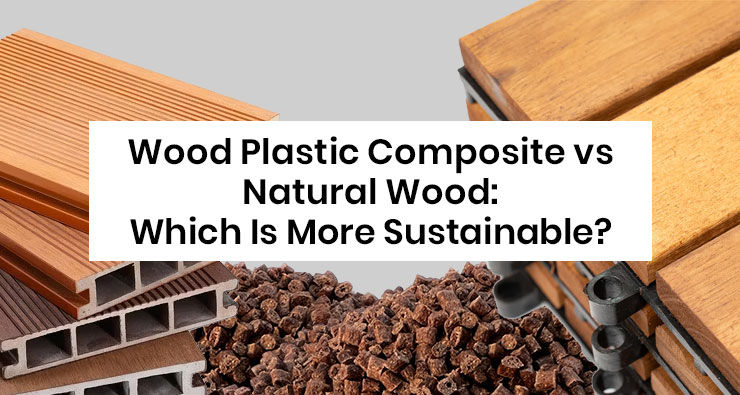
Wood Plastic Composites (WPC) — for furniture, decking, and interiors
Bamboo Plastic Composites (BPC) — lightweight, strong, and renewable
Rice Husk Plastic Composites (RPC) — utilising agricultural waste
Starch-based Composites — biodegradable options for everyday goods
Recycled Polyester Composites — converting industrial plastic waste into valuable material
These materials help industries reduce dependence on fossil-fuel-based plastics without compromising functionality or aesthetics.
2. Enabling Easy Integration with Existing Manufacturing Processes
One of the biggest barriers to material switchovers is equipment compatibility. Many sustainable materials require new machines or expensive production adjustments. RRAJ Bioplast’s granules are designed to be compatible with standard injection moulding, extrusion, and thermoforming machines — which means manufacturers can adopt bioplastics without costly infrastructure overhauls.
This compatibility removes technical barriers and accelerates the shift toward sustainable materials across sectors such as:
Automotive components
Consumer goods
Household items
Packaging supplies
Limitations of Bioplastics You Should Know
Bioplastics are promising, but they are not without challenges.
Performance Constraints
Some bioplastics have lower heat resistance or mechanical strength compared to traditional plastics, limiting their use in demanding applications.
Waste Management Infrastructure
Many countries lack proper composting and recycling systems for bioplastics, reducing their real-world effectiveness.
Resource Competition
Using agricultural land for plastic production can compete with food crops if not managed carefully.
Greenwashing Risks
Vague marketing claims can mislead consumers. Without proper certification, products labelled “eco-friendly” may not deliver real environmental benefits.
The Future of Bioplastics: Replacement or Complement?
Bioplastics are unlikely to eliminate conventional plastics entirely, but they play a critical role in building a circular economy. Future progress will depend on:
Advanced bio-polymer research
Better recycling and composting systems
Policy support and global standards
Responsible sourcing of raw materials
Rather than asking whether bioplastics can replace conventional plastics, the better question is where and how they should be used.
How Businesses Can Responsibly Adopt Bioplastics
For companies considering bioplastics, responsible adoption is key.
Choose the Right Application
Not all products need bioplastics. Focus on areas where environmental impact reduction is highest.
Verify Certifications
Look for internationally recognised standards for biodegradability and compostability.
Educate Consumers
Clear disposal instructions are essential to ensure bioplastics are handled correctly.
Balance Sustainability and Performance
Sustainability should enhance product value—not compromise functionality or safety.
Conclusion
So, can bioplastics really replace conventional plastics? The answer is yes but not completely—in the right applications and with the right approach we can reduce.
Bioplastics are proving to be a meaningful solution in reducing plastic pollution, lowering carbon footprints, and supporting the use of renewable and waste-derived resources. While no single material can solve the plastic challenge alone, bioplastics offer a practical and scalable path toward more responsible manufacturing when used thoughtfully.


Comments