
Wood Plastic Composite vs Natural Wood: Which Is More Sustainable?
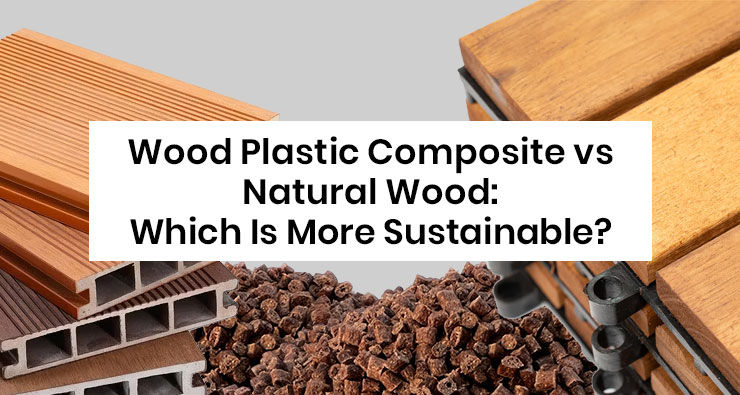
As sustainability becomes a priority across industries, architects, builders, manufacturers, and consumers are increasingly evaluating alternative materials that offer long-term performance with a lower environmental footprint. One of the most discussed alternatives to traditional timber is wood plastic composite (WPC).
While natural wood has been a preferred construction and manufacturing material for centuries, concerns regarding deforestation, maintenance requirements, and durability have encouraged the adoption of innovative materials such as WPC. But which option is truly more sustainable?
This guide compares wood plastic composite and natural wood based on lifespan, water resistance, maintenance costs, environmental impact, and commercial applications to help businesses and consumers make informed decisions.
What Is Wood Plastic Composite?
Wood Plastic Composite (WPC) is an engineered material made by combining wood fibers, agricultural residues, or wood flour with recycled or virgin thermoplastics. The result is a durable composite material that combines the appearance of wood with the performance benefits of plastic.
WPC has become increasingly popular in decking, outdoor furniture, cladding, fencing, infrastructure projects, and industrial applications due to its strength, durability, and environmental advantages.
Understanding Natural Wood
Natural wood is harvested from trees and processed into lumber or timber for various applications. It is widely valued for its natural appearance, structural strength, and versatility.
Commonly used wood species include teak, oak, pine, cedar, and mahogany. While wood offers aesthetic appeal and renewable sourcing potential, its long-term performance often depends on maintenance, treatment, and environmental conditions.
Lifespan Comparison: Which Material Lasts Longer?
One of the most important sustainability factors is product longevity. Materials that last longer require fewer replacements and consume fewer resources over time.
Wood Plastic Composite
WPC products are designed to withstand harsh weather conditions, moisture exposure, UV radiation, and biological degradation. Depending on the application and manufacturing quality, WPC can last between 20 and 30 years or even longer with minimal maintenance.
Benefits include:
Resistance to rot and decay
Protection against termites and insects
Reduced cracking and splitting
Excellent dimensional stability
Natural Wood
The lifespan of natural wood varies significantly depending on the species, climate conditions, and maintenance practices. Untreated wood can deteriorate rapidly when exposed to moisture, insects, and temperature fluctuations.
Typical lifespan:
Softwood products: 10–15 years
Treated hardwood products: 20–40 years with proper maintenance
However, achieving maximum longevity often requires regular sealing, painting, staining, and pest control treatments.
Winner: Wood Plastic Composite
For many outdoor and commercial applications, WPC offers a longer and more predictable service life with significantly lower maintenance requirements.
Water Resistance: How Do They Perform in Moisture?
Moisture is one of the leading causes of material degradation, especially in outdoor environments.
Wood Plastic Composite
One of WPC's biggest advantages is its superior moisture resistance.
Key benefits include:
Low water absorption
Resistance to swelling and warping
Reduced mold and fungal growth
Suitable for humid and rainy environments
This makes WPC ideal for decking, waterfront structures, garden furniture, and exterior cladding.
Natural Wood
Natural wood is highly susceptible to moisture damage unless properly treated.
Common challenges include:
Swelling and shrinking
Warping and cracking
Mold growth
Rot and decay
Frequent exposure to rain, humidity, or standing water can significantly reduce the lifespan of wooden products.
Winner: Wood Plastic Composite
WPC consistently outperforms natural wood in wet and humid conditions.
Maintenance Costs: Which Material Is More Cost-Effective?
Initial purchase cost is only one part of the equation. Long-term maintenance expenses often determine the true value of a material.
Wood Plastic Composite
WPC requires very little maintenance throughout its lifespan.
Typical upkeep includes:
Occasional cleaning
Basic surface washing
No painting or sealing
This significantly reduces ownership costs over time.
Natural Wood
Wood typically requires:
Regular painting or staining
Protective coatings
Repairs due to cracks or rot
Pest treatment
These recurring maintenance activities can increase lifetime costs substantially.
Winner: Wood Plastic Composite
Although WPC may have a slightly higher initial cost in some cases, its lower maintenance requirements often result in better long-term value.
Environmental Impact: Which Is More Sustainable?
Sustainability involves evaluating resource consumption, waste generation, carbon footprint, and lifecycle performance.
Environmental Benefits of Wood Plastic Composite
Modern WPC materials often incorporate:
Recycled plastics
Wood waste and agricultural residues
Industrial by-products
Benefits include:
Reduced demand for virgin timber
Diversion of waste from landfills
Lower material wastage
Extended product lifespan
Many manufacturers now utilize circular economy principles by transforming waste materials into high-performance composite products.
Environmental Considerations for Natural Wood
Natural wood is renewable when sourced responsibly from certified forests. However, sustainability concerns arise when:
Forests are harvested unsustainably
Illegal logging occurs
Frequent replacement increases resource consumption
Chemical treatments impact the environment
While responsibly sourced timber remains a renewable resource, long-term durability and maintenance requirements can affect its overall environmental footprint.
Winner: Depends on Sourcing and Application
Responsibly sourced wood remains an environmentally friendly option. However, WPC often delivers superior lifecycle sustainability by utilizing recycled materials and extending product longevity.
Commercial Applications of Wood Plastic Composite
The versatility of WPC has expanded its use across multiple industries.
Construction and Infrastructure
Applications include:
Decking systems
Exterior cladding
Railings
Fencing
Walkways
Furniture Manufacturing
Used for:
Outdoor furniture
Garden benches
Park seating
Public space installations
Hospitality and Real Estate
Ideal for:
Resorts
Hotels
Residential communities
Recreational facilities
Industrial and Commercial Projects
Suitable for:
Warehouse structures
Industrial partitions
Landscaping components
Modular building solutions
The combination of durability and low maintenance makes WPC particularly attractive for large-scale commercial projects.
When Is Natural Wood the Better Choice?
Natural wood may still be preferred when:
Authentic grain patterns are essential
Traditional craftsmanship is required
Structural applications demand specific timber properties
Historical restoration projects are involved
In premium interior design applications, natural wood continues to offer unmatched visual warmth and character.
Conclusion: Wood Plastic Composite vs Natural Wood
When evaluating sustainability, durability, maintenance, and long-term performance, wood plastic composite emerges as a highly practical and environmentally responsible alternative to traditional wood for many modern applications.
While natural wood remains valuable for its aesthetics and renewable nature, WPC offers significant advantages in terms of moisture resistance, lifespan, reduced maintenance, and waste utilization.
For businesses seeking sustainable materials that align with modern environmental goals while delivering reliable performance, wood plastic composite represents a compelling solution that supports both economic and ecological objectives.
FAQs
Is wood plastic composite environmentally friendly?
Yes. Many WPC products are manufactured using recycled plastics and wood waste, helping reduce landfill waste and conserve natural resources.
Does WPC last longer than wood?
In most outdoor applications, WPC can last 20–30 years or more with minimal maintenance, often outperforming untreated natural wood.
Can wood plastic composite be used outdoors?
Absolutely. WPC is specifically designed to withstand moisture, UV exposure, insects, and changing weather conditions.
Is WPC more expensive than natural wood?
The initial cost may be slightly higher in some cases, but lower maintenance and longer lifespan often make WPC more cost-effective over time.
What industries commonly use wood plastic composite?
Construction, furniture manufacturing, hospitality, landscaping, infrastructure, and commercial real estate sectors widely utilize WPC materials.


Comments